

Help people live independently, with support close at hand.
Bring digital telecare, intelligent monitoring and resilient connectivity together to help protect vulnerable and older people while keeping families and care teams better connected.

CARE IS MOVING FROM ANALOGUE TO DIGITAL
Telecare provides an important safety net for people living independently, helping prevent or delay care needs while giving individuals, families and support teams greater reassurance.
But many traditional telecare services still rely on analogue phone lines for panic buttons, alarm calling and other critical functions. As the UK moves away from the PSTN network, public-sector organisations need to make sure those services remain reliable and that vulnerable users are not left exposed during the transition.
The opportunity is not simply to replace analogue services like-for-like. Digital telecare can create a more resilient foundation for connected care, while opening the door to better monitoring, earlier intervention and more proactive support.
Rely on telecare services to support independence and delay care needs.
Panic buttons and alarm services may still rely on analogue phone lines.
Target date for completing the UK’s transition away from the traditional PSTN network.
THREE PARTS OF CONNECTED CARE
Connected Care should do more than provide a button to press when something goes wrong. By combining alerting, monitoring and everyday wellbeing features, it can give individuals greater reassurance while helping families and care teams stay informed.
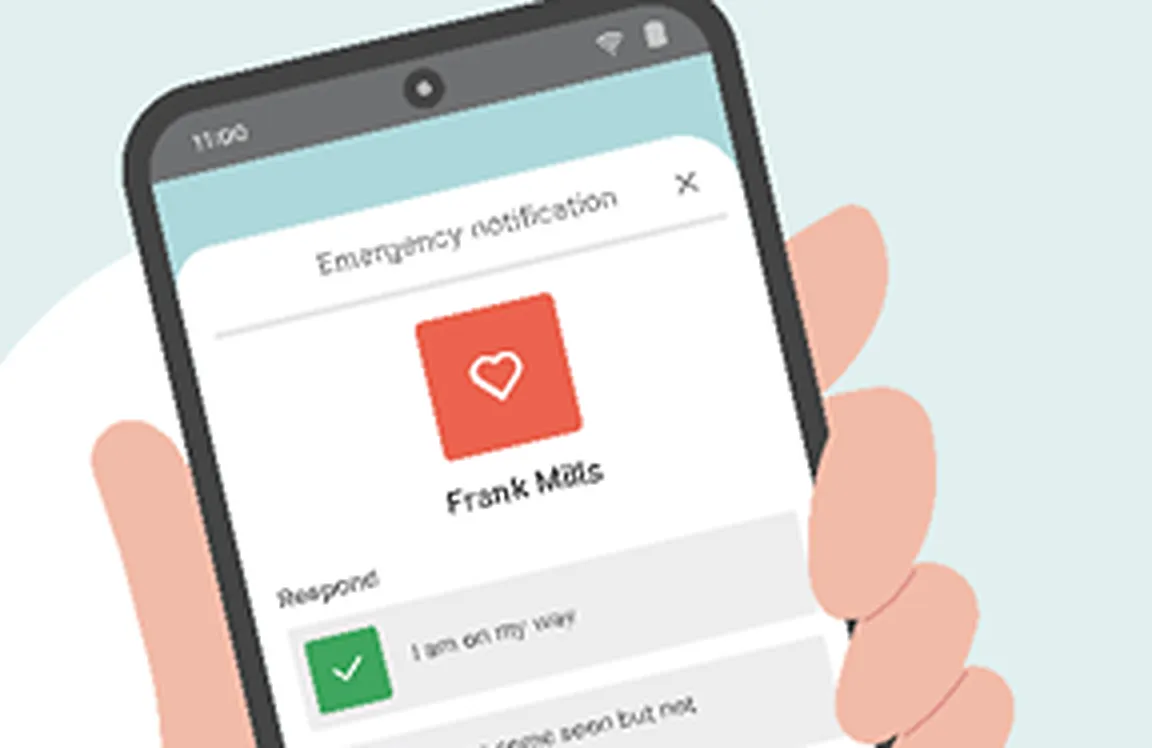
Give people a simple way to call for help through the connected care device or supported personal alarms, with notifications sent to their support circle when assistance is needed.
Integrated SOS, Bluetooth and GPS alarm options
Keep support circles informed when help is on the way
Raise alerts for changes such as temperature or air quality
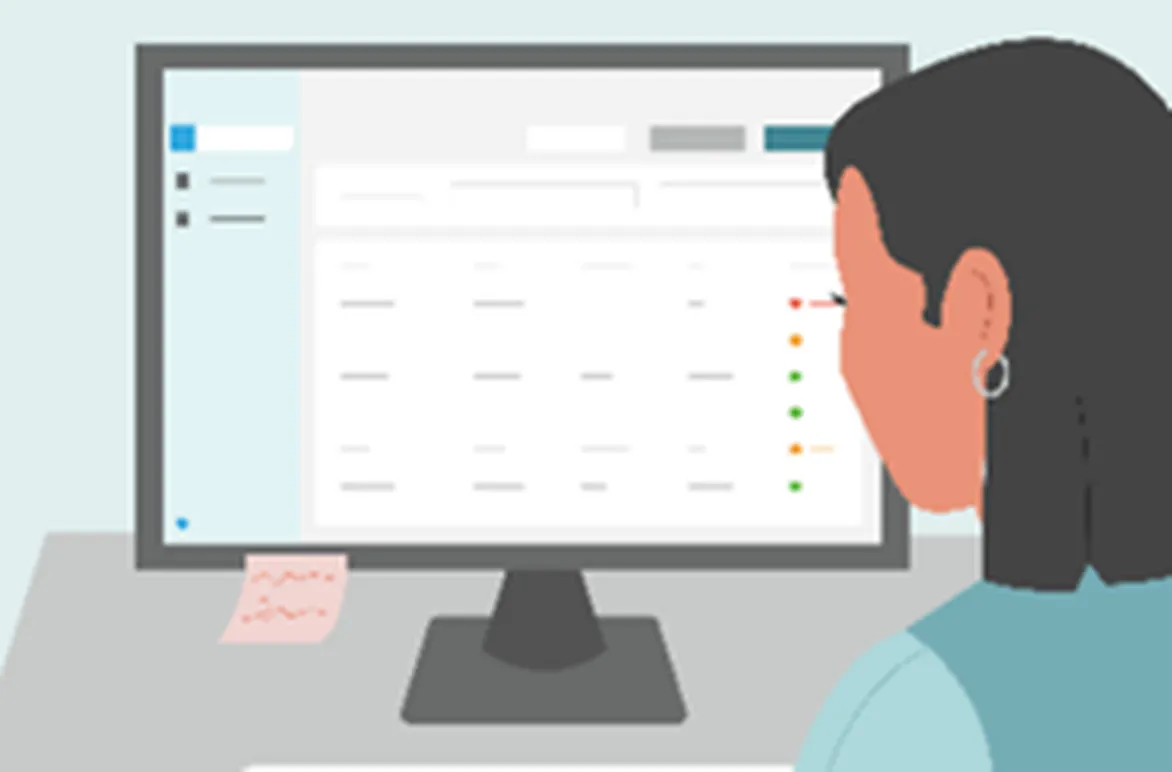
Use built-in sensors to monitor aspects of the living environment, movement and daily rhythm, raising alerts when defined changes or anomalies are detected.
Seven built-in sensors monitor the home environment
Track movement and changes in daily routines
Raise alerts when unusual patterns or conditions are detected
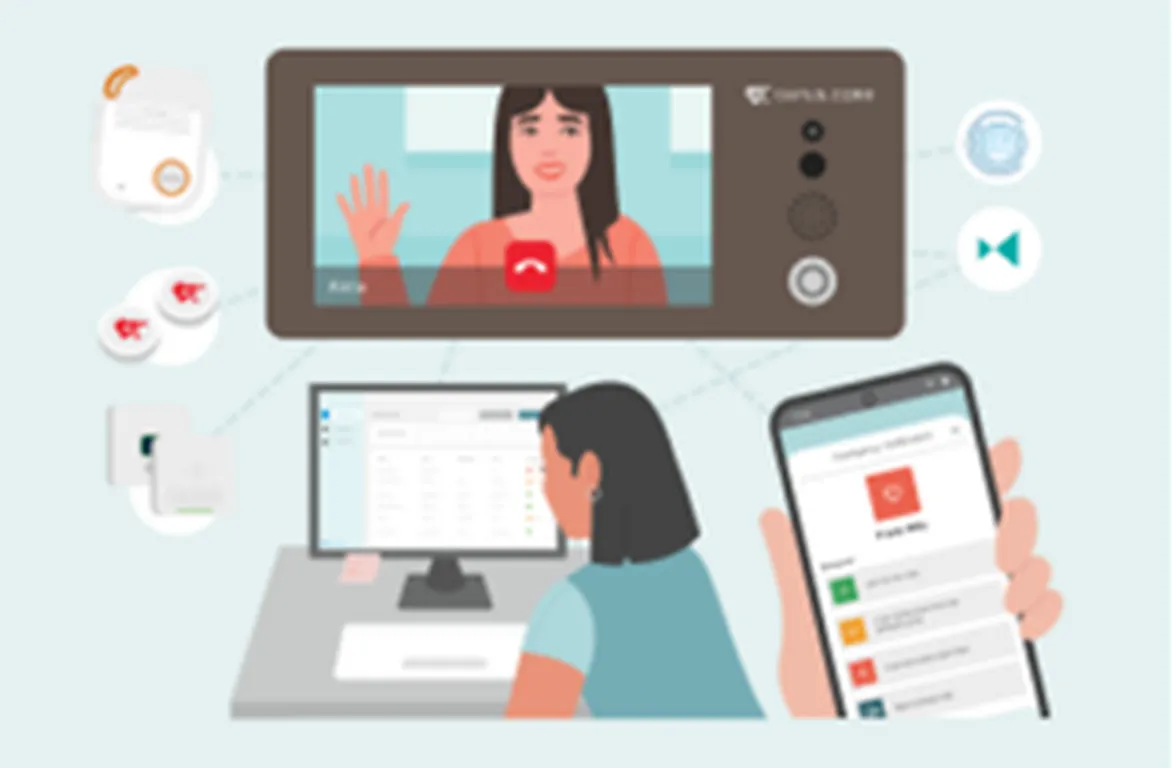
Support everyday independence through features such as video calling, medication reminders and photo sharing, helping individuals remain connected with family, carers and support teams.
Make video calls through the Genus Portal or phone
Schedule medication reminders with family or care teams
Share photos and memories through the Genus App
SEE CONNECTED CARE IN ACTION
Connected Care brings alerting, monitoring and wellbeing support together to help people stay safer, more independent and better connected. By combining digital telecare with sensors, communication tools and resilient connectivity, it can support people day to day as well as when something goes wrong.
That can mean raising an alert when help is needed, recognising changes in movement or daily routine, prompting medication, or helping someone stay connected with family and carers.
See Connected Care in action →
THE TECHNOLOGY BEHIND THE SERVICE
Developed by Iris IoT, the Genus Care frame brings connected care functions together in one easy-to-access device.
It combines SOS alerting, environmental and movement monitoring, alarm calling and wellbeing features, while using mobile connectivity and optional broadband rather than relying on a traditional phone line.
Delivered as a managed service, it gives organisations a more joined-up way to support people living independently

Monitor living environment, movement and daily rhythm.

Request help through the device or supported personal alarms.

Use video calling and family connectivity alongside care functions.

Schedule prompts with support from families, carers or call centres.
FROM REACTIVE TO MORE PROACTIVE CARE
Traditional telecare often starts with somebody actively asking for help. Connected monitoring can add another layer by looking for changes in the environment or normal daily patterns. Genus includes sensors that can monitor factors such as:
Temperature
Air quality
Movement
Daily rhythm
When predefined anomalies are detected, an alert can be raised so the appropriate people can review what is happening. That can help care teams move from relying only on emergency calls towards identifying situations that may need attention earlier.
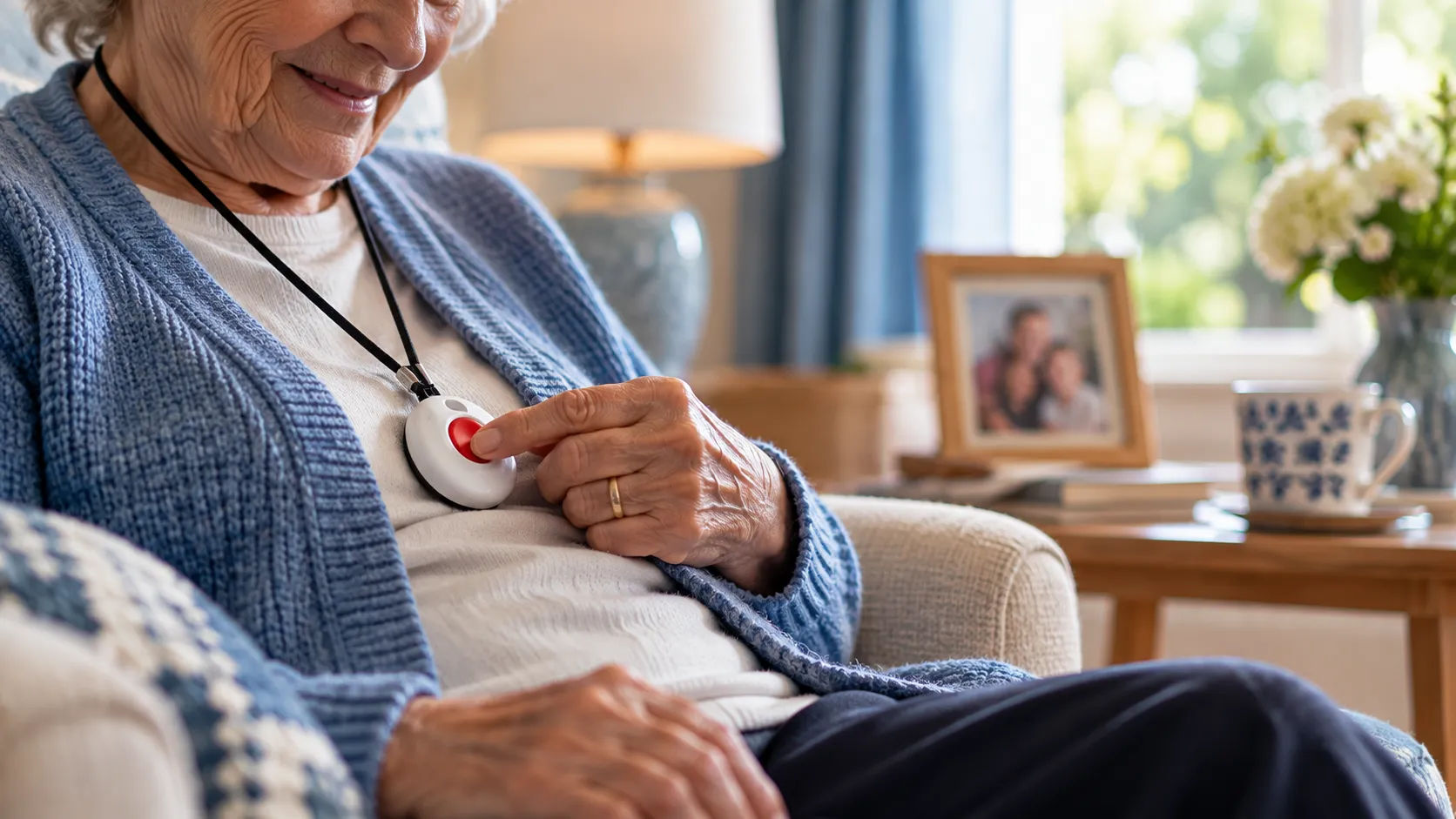
Give individuals and their families confidence that support can be reached when it is needed.
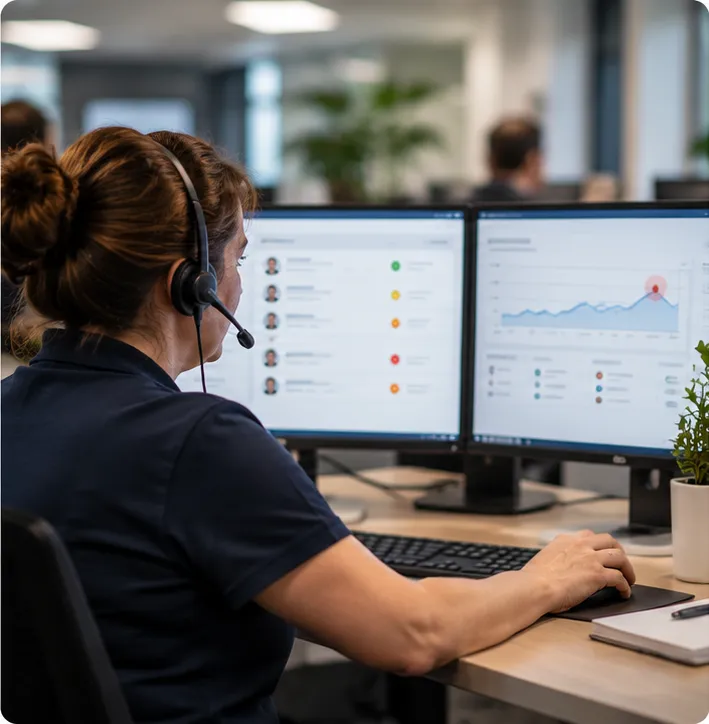
Use alerts and monitoring to highlight changes that may warrant attention before somebody actively asks for help.

Combine safety, communication and everyday wellbeing tools to help people remain supported in their own homes.
WHY DBFB
Connected Care depends on reliable technology. Devices, mobile connectivity, broadband resilience and support all need to work together when people rely on the service.
dbfb works with Iris IoT to bring those elements into one managed solution, helping local authorities, housing providers and care organisations move away from legacy phone lines and build a more connected approach to care.
01
Bring the Genus Care frame, connectivity and ongoing technical support together through one service.
02
Use mobile connectivity with optional broadband to reduce reliance on a single traditional phone line.
03
Shape the service around residents, communities, care settings and the situations your teams need greater visibility of.
04
Link Connected Care with wider IoT, connectivity and digital housing services as your requirements develop.
FAQS
Get started
Whether you are replacing analogue telecare, exploring more proactive monitoring or planning a wider connected care programme, we can help you understand the technology, connectivity and support required.