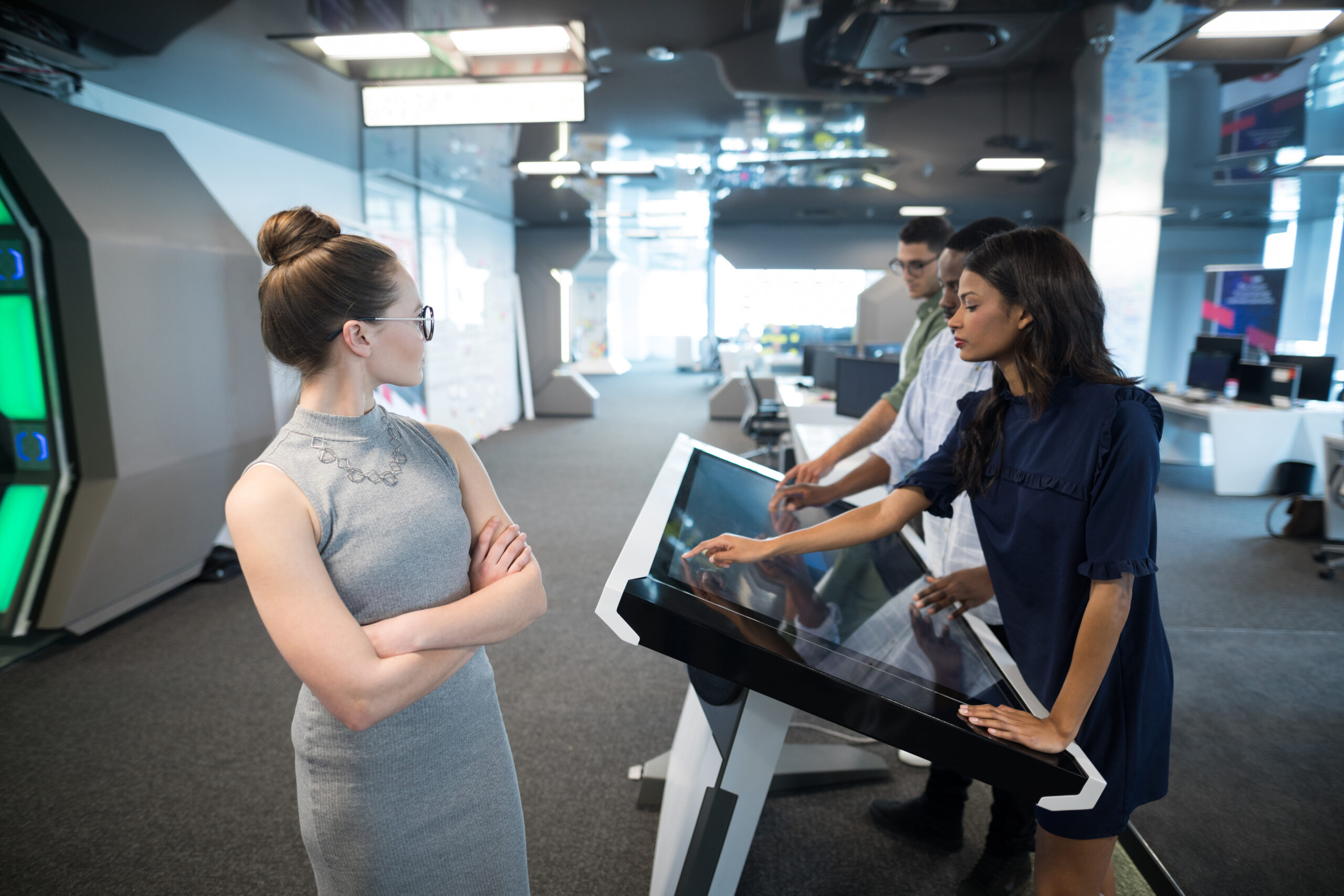
The modern workplace is evolving quickly, and smart offices are right at the centre of that shift.
By combining advanced technology, automation, and data-driven insights, smart offices help businesses create workspaces that are more efficient, productive, and comfortable. But what exactly is a smart office, and why are more organisations adopting them?
A smart office is a workspace that uses connected technology to improve operations. It also enhances employee experience and drives better business outcomes.
This can include:
In simple terms, a smart office uses technology to create a workplace that is responsive and efficient. It is built around how people actually work to ensure team members can experience the benefits.
Smart workspaces reduce manual tasks and streamline workflows, allowing employees to focus on high-value work. Integrated tools like business phone systems also make communication faster and more reliable.
One of the biggest advantages of smart offices is their ability to reduce energy consumption. Automated lighting and climate systems adjust based on real-time usage, supporting businesses committed to sustainable office practices.
From personal workspaces to easy meeting room booking, smart workspaces create a user-friendly, engaging working environment. They help boost employee satisfaction and retention long term.
With sensor data and analytics tools, businesses can see how office space is used. They can optimise layouts to cut waste and boost efficiency.
Smart technology offices also improve workplace security through advanced access controls, monitoring systems, and data protection measures.
Smart office solutions can take many forms, including:
These technologies work together to create a fully connected and efficient workspace.
More businesses are investing in smart office technology because it delivers measurable results, including:
Intelligent offices represent the future of work. By combining technology, real-time data, and employee-focused design, they create office environments that increase productivity, sustainability, and overall workplace experience.
If you’re looking to modernise your workspace or explore smart office solutions, reach out to our expert team to see how your business can benefit.




