

Bring wellbeing support closer to the people who need it.
Use AI-powered assessment, connected technology and accessible digital support to help people manage their physical wellbeing at home, at work and in the community.
THE WELLBEING CHALLENGE
Long-term illness, reduced mobility and physical health issues can limit independence, make it harder to stay in work and place more pressure on families, employers and support services.
Access to help is not always straightforward. People may need to travel, wait for appointments or fit support around work and caring responsibilities. In some cases, help is only sought once a condition has become more difficult to manage, reducing the opportunity for earlier intervention.
Digital Wellbeing brings assessment, guidance and support closer to the individual. Using AI-powered tools, connected technology and digital resources across homes, workplaces and communities can make support easier to access and encourage earlier action.
The scale of the challenge shows why acting earlier matters.
Unable to work due to long-term illness.
Reported physical issues such as back, neck or limb pain.
Estimated annual economic output lost due to ill health.
THREE ENVIRONMENTS. ONE WELLBEING APPROACH.
Digital Wellbeing can be delivered in different ways depending on the people you are supporting and where they are most likely to engage.
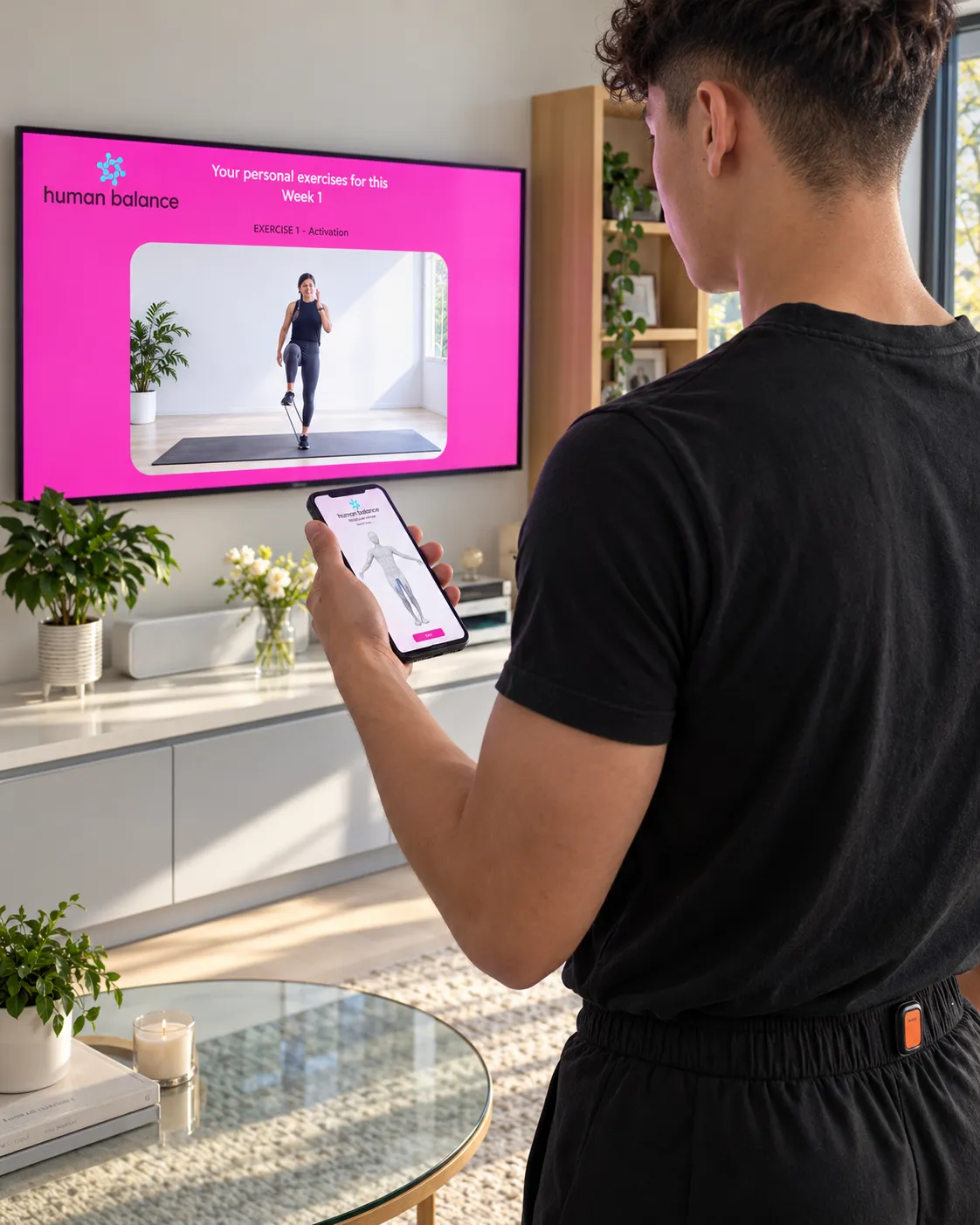
Digital Wellbeing helps local authorities and community organisations make support easier to access and bring services closer to the people who need them.
Earlier intervention opportunities
Improved access to support
Increased community engagement
Greater visibility of wellbeing needs
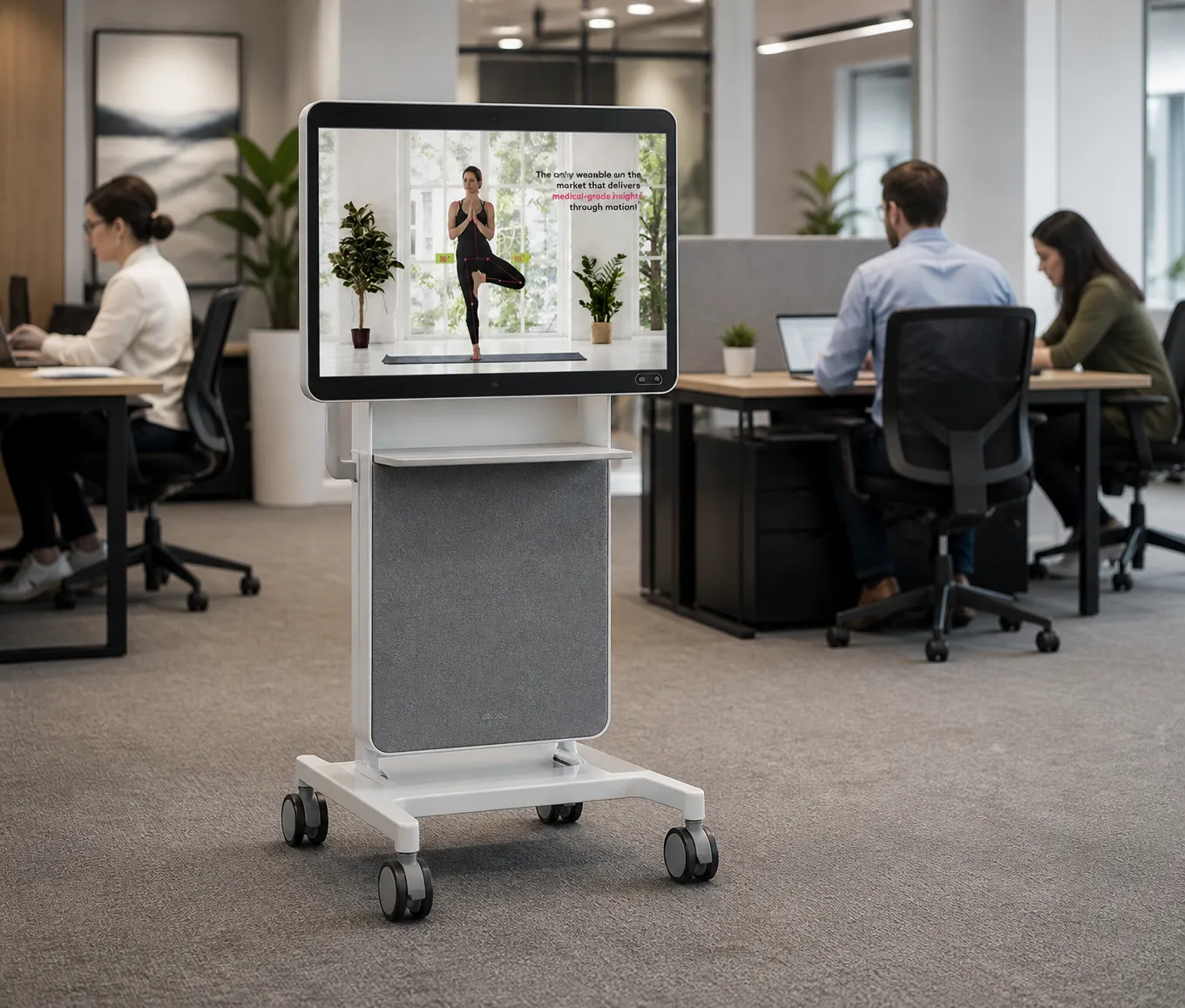
Employers can give people quicker and easier access to physical wellbeing assessments and support services, helping identify mobility concerns earlier.
Workplace wellbeing assessments
Earlier identification of mobility concerns
Personalised support and exercises
Reduced pressure from avoidable absence
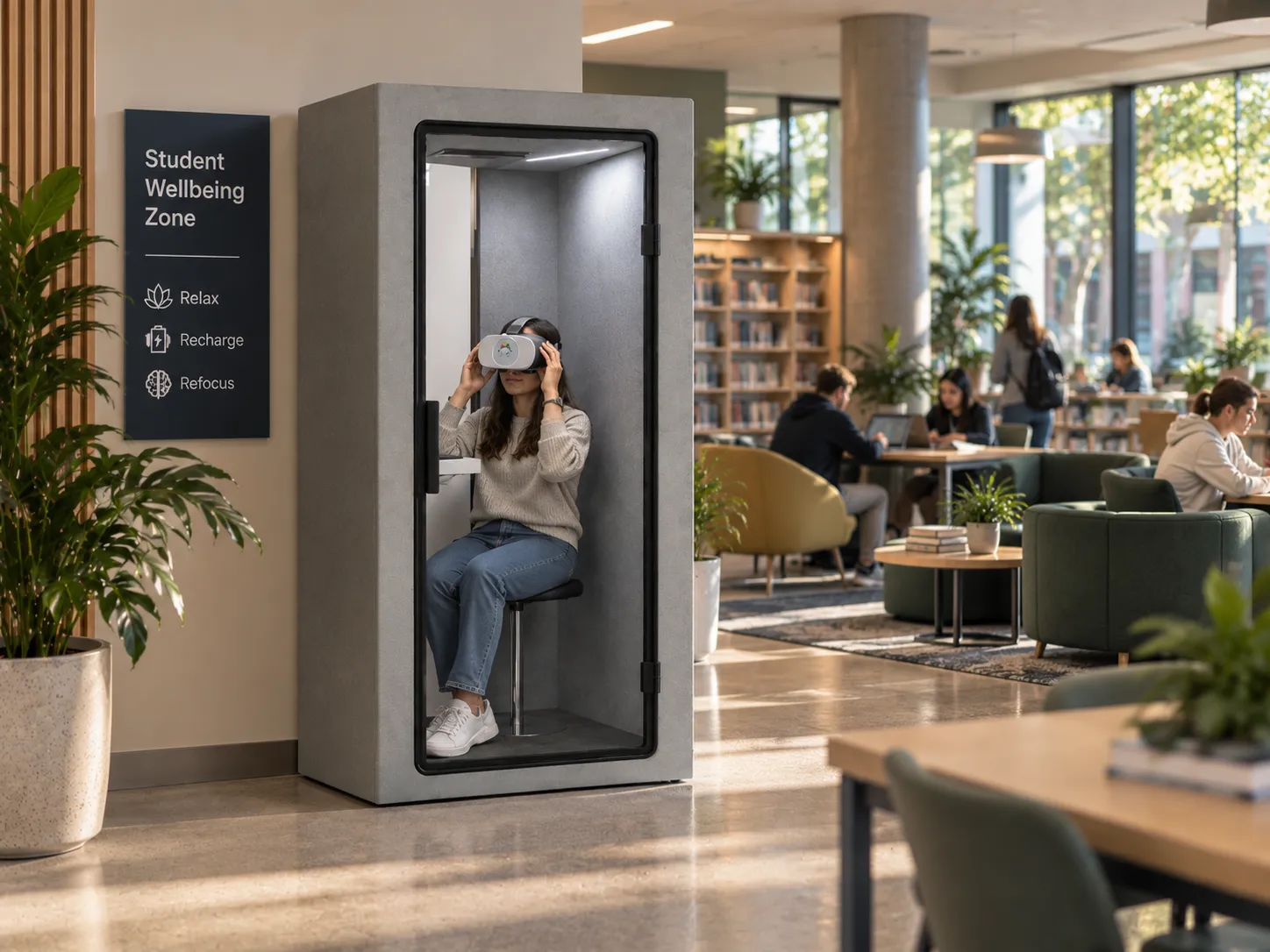
Technology-enabled wellbeing support helps individuals take a more proactive approach to managing their own mobility and physical and mental health.
Personalised exercise programmes
Mobility and balance support
Greater confidence and independence
Reduced reliance on in-person services
SEE DIGITAL WELLBEING IN ACTION
Digital Wellbeing can bring together AI-powered assessment, connected support and accessible technology to help people manage their physical wellbeing wherever they are.
Watch how the approach can support individuals, communities and workplaces - from Human Balance AI and earlier intervention through to healthier, more resilient organisations.
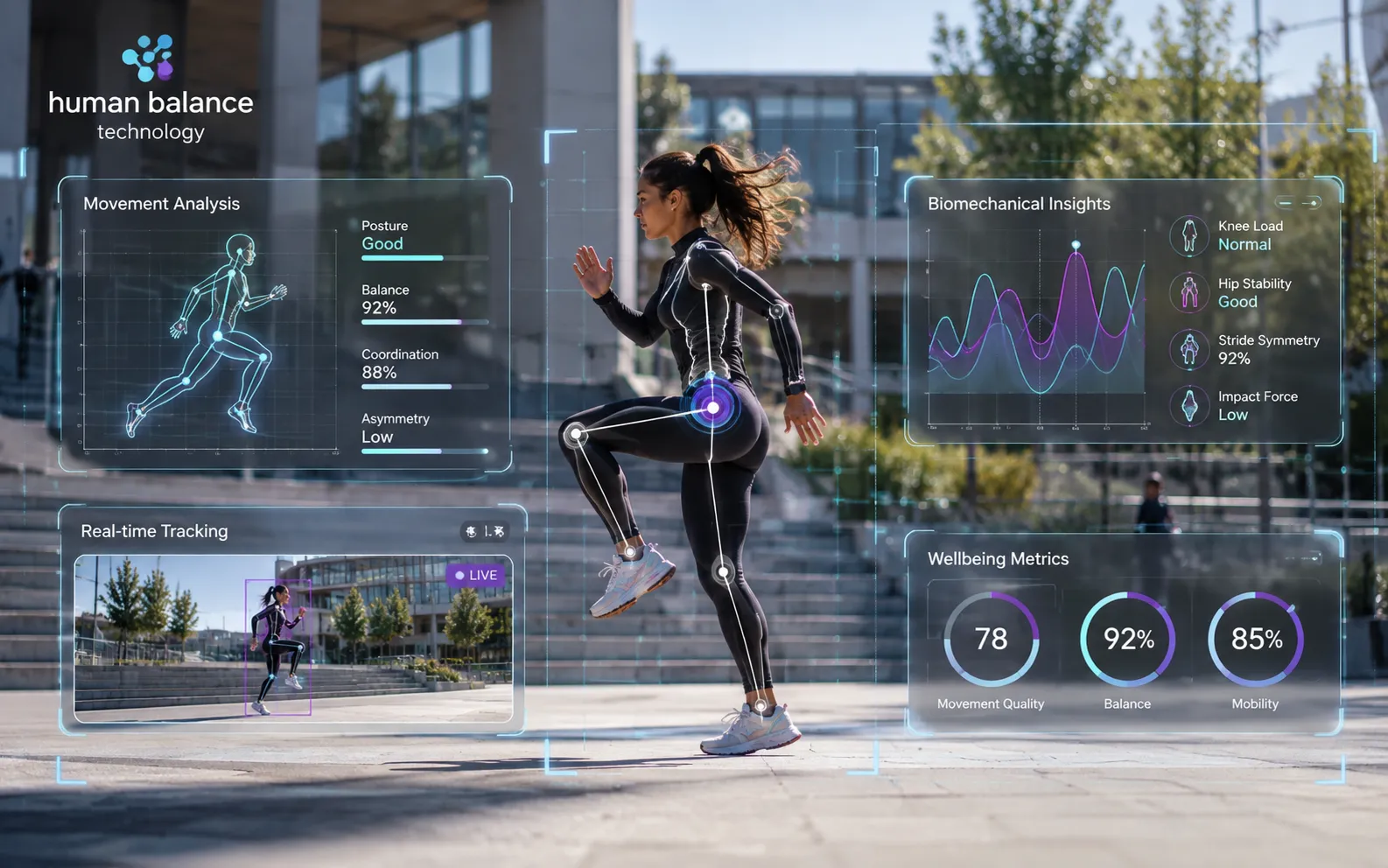
AI-POWERED PHYSICAL WELLBEING
Human Balance AI is designed to support assessment and analysis of physical movement, helping identify potential mobility issues and shape more targeted support.
For individuals, that can mean personalised exercises and practical guidance based on their needs.
For organisations, it creates another way to support earlier intervention and give people access to wellbeing resources without relying entirely on traditional in-person services.
ONE CONNECTED WELLBEING EXPERIENCE
Digital Wellbeing is more than a single device or kiosk. The wider approach can bring together physical wellbeing assessment, digital resources, remote support and connected communication through one joined-up experience.
Depending on the use case, that can include:
01
Use Human Balance AI to assess physical movement and support personalised mobility programmes.
02
Give people access to video calls, guidance and ongoing wellbeing support without frequent travel.
03
Use reminders and digital communication to keep individuals, families, carers and support teams better connected.
04
Use kiosks and wellbeing pods to bring support closer to people who may struggle to access it.
DESIGNED AROUND BETTER OUTCOMES
Digital Wellbeing is not about collecting more data. It is about using technology to make support easier to access, spot potential issues earlier and help people manage their own physical wellbeing.
For organisations, that means earlier support, fewer barriers to traditional services and more flexible ways to deliver wellbeing across homes, workplaces and communities.
01
Help identify mobility and physical wellbeing concerns sooner, giving people more opportunity to act before issues become harder to manage.
03
Bring assessment, guidance and wellbeing resources into homes, workplaces and communities, helping reduce the need for unnecessary travel.
02
Give individuals more tools to manage their own mobility and wellbeing between appointments or without relying on frequent in-person support.
04
Give organisations more ways to deliver wellbeing support around different people, environments and needs, rather than relying on a single route to care.
Guide
Learn how AI-powered wellbeing technology can support healthier communities, improve workforce wellbeing and create more accessible support services.
WHY DBFB
Digital Wellbeing works best when technology is easy to access, reliable and built around the people using it. That means considering the connectivity, deployment and support around the solution, not just the device itself.
dbfb brings those elements together, shaping solutions around your setting, your users and the outcomes you want to achieve, with a focus on access, long-term impact and social value.
01
Shape the solution around the people you want to support, the barriers they face and the outcomes you want to improve.
02
Bring connectivity, devices and digital platforms together so the wellbeing service can work reliably across different environments.
03
Deploy technology at home, in workplaces or across community locations depending on where people are most likely to engage.
04
Create a model that can evolve over time as needs change, new use cases emerge and the service reaches more people.
quick answers
Get started
Whether you are supporting employees, residents or wider communities, we can help you explore how digital wellbeing technology could make access easier and support better outcomes.